Teenagers who have just immigrated to the United States face enormous changes—language barriers, cultural differences, school pressure, and social adjustment.
Video games often become the easiest way for them to gain a sense of achievement, belonging, or escape from stress.
If parents only see “wasted time” and ignore the emotional needs behind it, conflicts are likely to intensify.
Many Asian families, out of love, prefer children to focus on studying and avoid household chores.
However, this differs from the traditions of many long-established wealthy families.
In these families, there is a common principle: Entertainment is not an automatic right—it is earned through responsibility and effort.
三、用「付出 → 換取權利」取代「禁止」
3. Replace Prohibition with “Earned Privileges”
In such families, children do not play video games simply because they have free time.
They must first complete responsibilities, such as:
• Household chores (washing the car, yard work, cleaning)
• School assignments
• Achieving acceptable academic or behavioral performance
Only then do they earn gaming time.
Over time, children learn that:
1. Enjoyment comes from effort
2. Privileges are not guaranteed
3. Work comes before leisure
四、青春期溝通:立場比道理更重要
4. Communication Matters More Than Authority During Adolescence
Teenagers are not unreasonable; they simply no longer accept authority-based arguments such as “because I am your parent.”
Lecturing often backfires.
More effective approaches include:
• Discussing issues from a peer-like perspective
• Asking for their opinions
• Focusing on solving problems together rather than assigning blame
五、壞習慣要「有計畫地改」,而不是一次砍掉
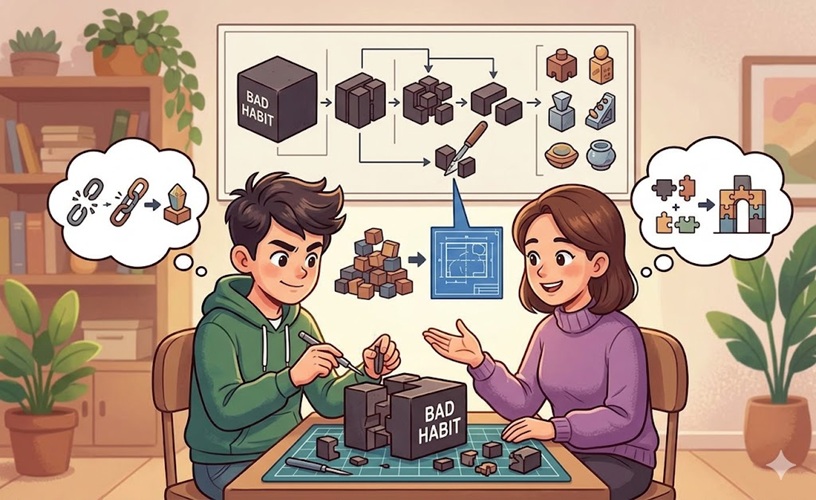
5. Bad Habits Require Gradual, Planned Change
If a child has already developed excessive gaming habits, banning it completely overnight usually fails.
More effective strategies include:
• Clear rules: responsibility before entertainment
• Gradual reduction of gaming time
• Involving the child in rule-setting
Bad habits need retraining, not sudden elimination.
六、善用第三者,效果往往更好
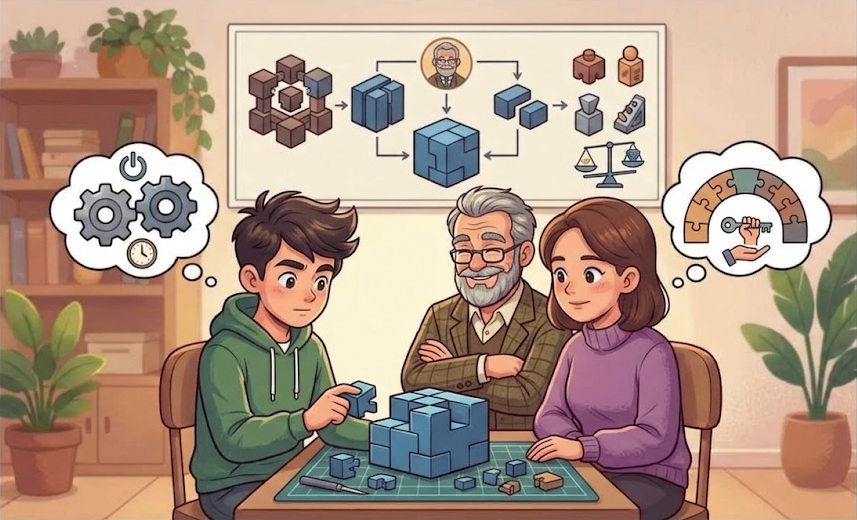
6. Third-Party Communication Can Be More Effective
Sometimes children do not reject logic—they reject hearing it from their parents.
Messages delivered by third parties are often more effective. Such as:
• Teachers
• Coaches
• Counselors
• Trusted relatives or mentors
結語:目標不是「不玩」,而是「懂得節制」
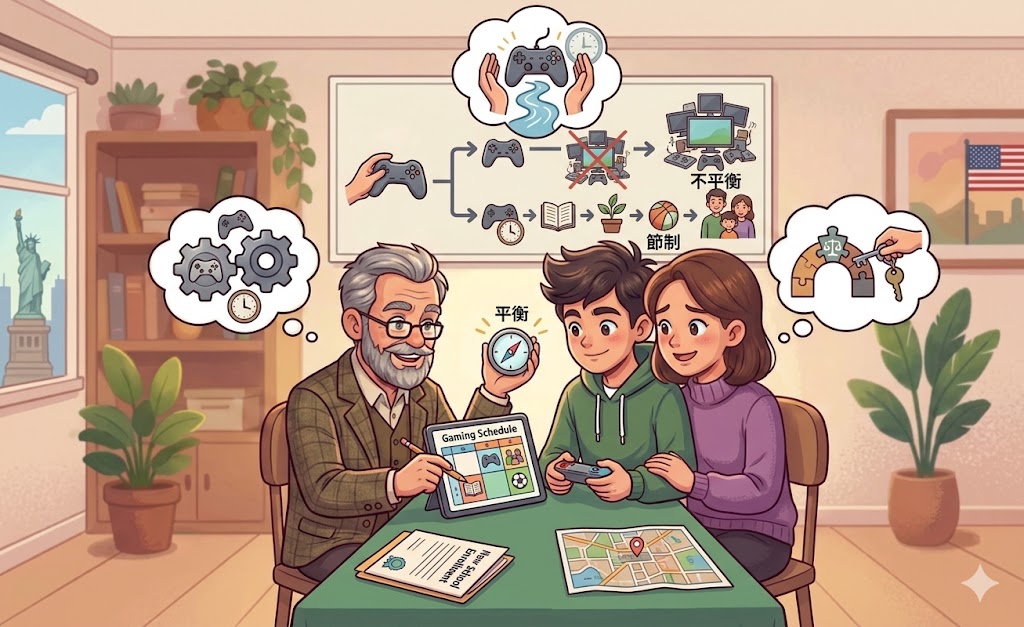
Closing: The Goal Is Not Zero Gaming, but Self-Control
Video games themselves are not the problem—lack of self-control is.
What truly matters is whether children learn to:
• Manage their time
• Take responsibility
• Delay gratification
• Earn their privileges
With the right approach and consistent execution, positive change will follow.